5 Reasons Metal Roofing is the Best Eco-Choice for California Homes & Businesses
By David Hahne / Will Schmidt • May 6, 2026

Summary of Eco-Friendly Article
Ordering materials is still slow, confusing, outdated, and unnecessarily complicated. Contractors waste days waiting for quotes. Property owners struggle to understand products, systems, accessories, and pricing. Suppliers still rely on phone calls, spreadsheets, and fragmented ordering processes that create delays, mistakes, and frustration.
1. Metal Roofing is Energy Efficient
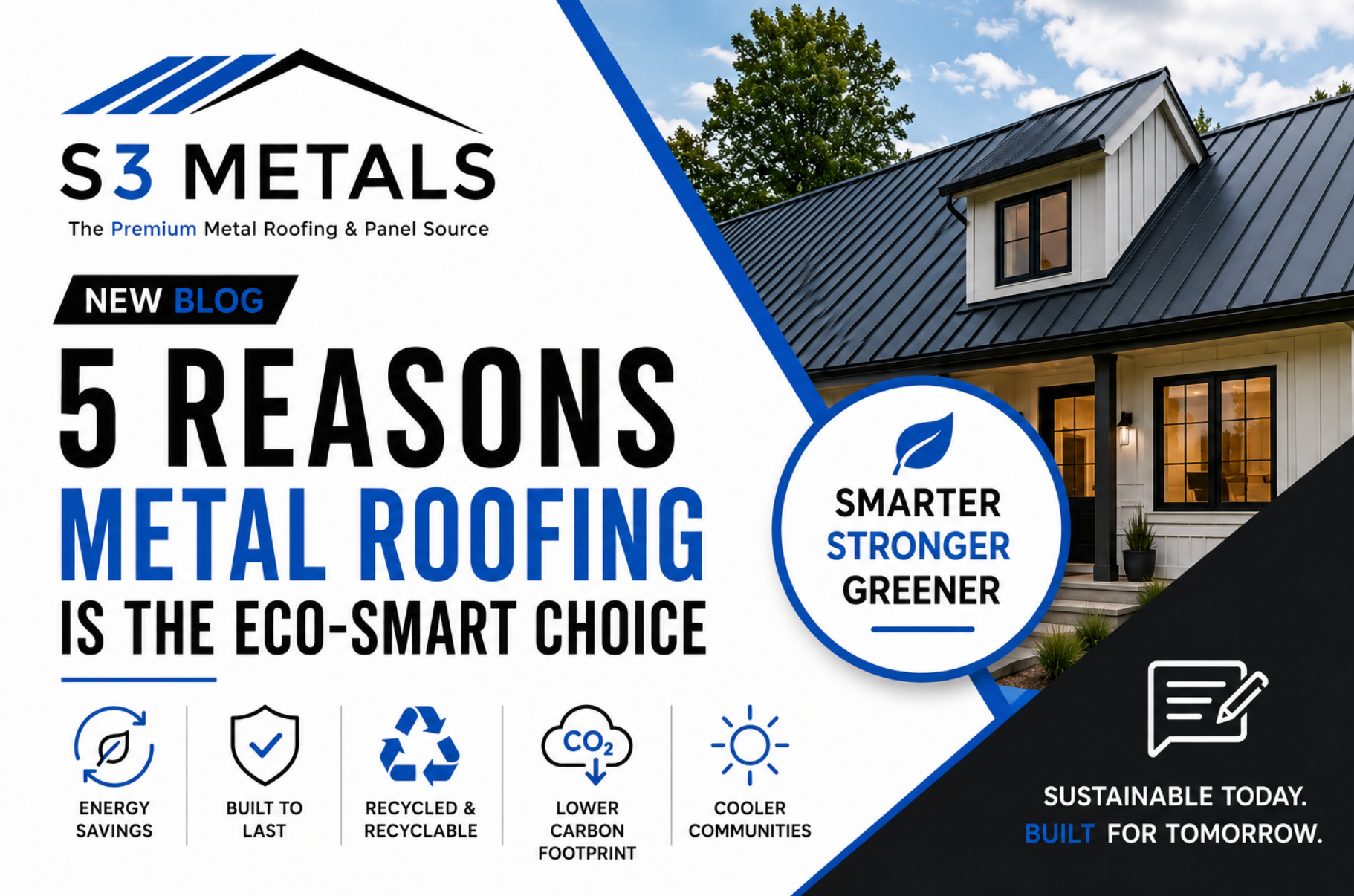
Metal roofs paired with “cool roof” coatings reflect sunlight and efficiently radiate heat back to the sky. Research funded by the U.S. Department of Energy found that a batten/counter‑batten metal roof with ventilation cut heat transfer through the roof by 45 % and reduced cooling costs by up to 25 %. The Metal Roofing Alliance reports that cool metal finishes may save 10–40 % on energy costs because these coatings re‑emit up to 90 % of absorbed solar radiation. A separate EPA analysis notes that reflective roofs can reduce cooling energy use by as much as 40 %; the U.S. Department of Energy’s Cool Roof Peak Calculator estimates annual savings of more than US $1,000 for a typical commercial building. In other words, a reflective metal roof isn’t just cooler—it slashes air‑conditioning demand and lowers greenhouse‑gas emissions.
2. Metal Roofing is Built to Last
Roof replacement frequency is a hidden environmental cost. Insurance experts at Progressive note that metal roofs made from zinc, copper or steel alloy “can last anywhere from 40 to 70 years”. Steel roofing manufacturers confirm this lifespan and point out that asphalt shingles typically last only 15–25 years. This longevity dramatically reduces the number of reroofing cycles and the associated materials, transport and waste. In 2005 the U.S. EPA warned that more than 11 million tons of waste shingles are generated in the United States every year. By switching to a roof that might last twice as long (or more), homeowners cut their contribution to this waste stream in half or better.
3. Metal Roofing = Recycled Metal Base
Most metal roofing products are manufactured with significant recycled content and can be entirely recycled at the end of their service life. The Whole Building Design Guide (WBDG), a program of the National Institute of Building Sciences, reports that metal roofing typically contains 25–95% recycled material and that cool metal roofs have a minimum recycled content of 25 % and are 100 % recyclable after decades of use. Some steel roofing products contain up to 80% recycled content. By contrast, asphalt shingles are made from petroleum products and are rarely recycled. This recyclability not only reduces extraction of new raw materials but also prevents the roof from becoming landfill waste.
4. Lightweight and Low Carbon Footprint
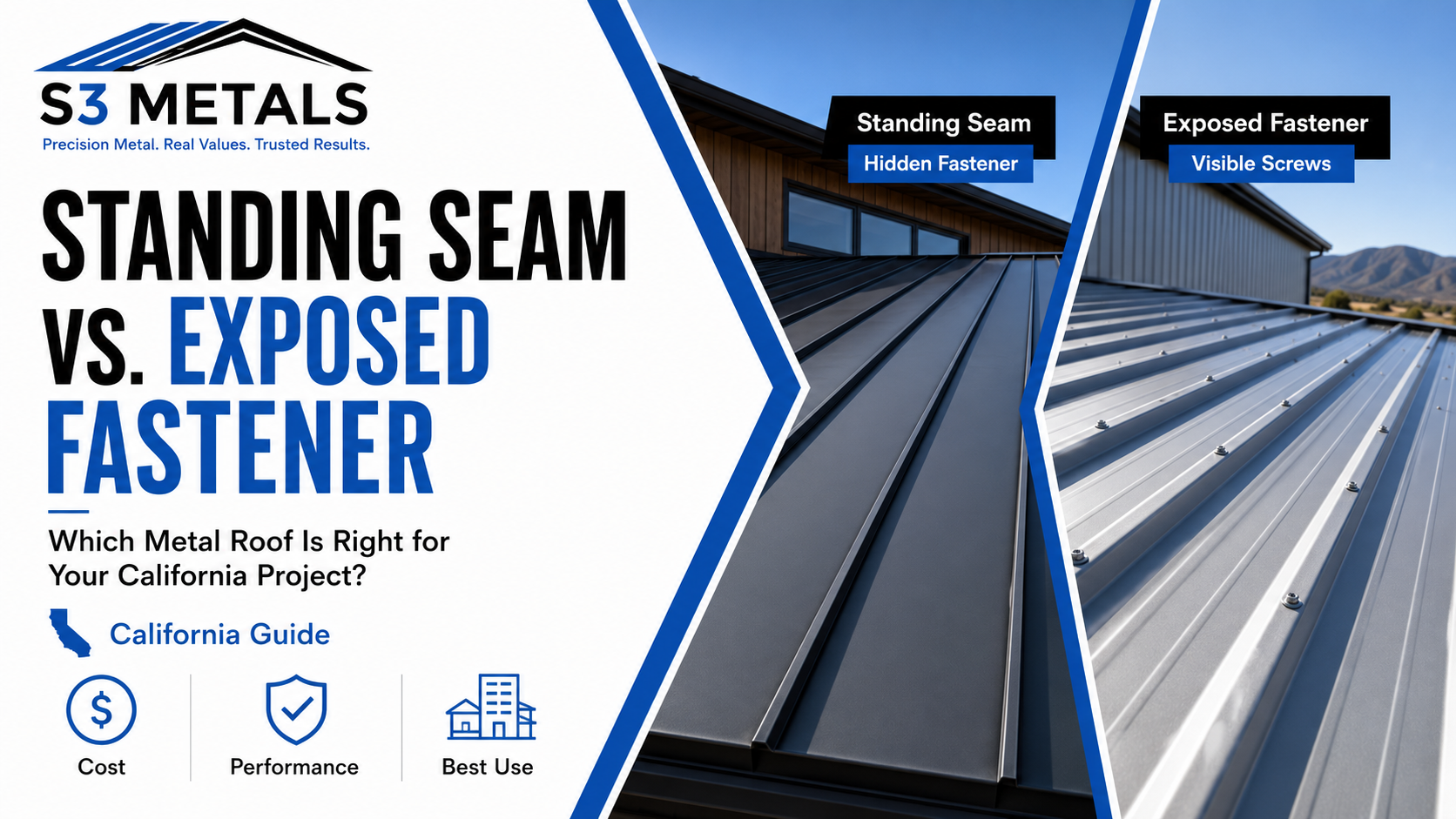
A common misconception is that metal roofs are heavy; in fact they are significantly lighter than many alternatives. Englert notes that a standing‑seam metal roof weighs roughly 85–120 lb per 100 sq ft, while asphalt shingles weigh 275–425 lb per 100 sq ft—making metal roofing roughly 50 % lighter. Lighter materials reduce structural load and can often be installed over an existing roof, eliminating the energy and emissions associated with tear‑off and disposal. Metal roofs are also free of petroleum‑based chemicals and, thanks to cool‑roof coatings, contribute to urban heat‑island mitigation by reflecting solar energy rather than absorbing it.
5. Solar and Sustainable Compatability
Metal roofs are ideally suited for solar integration. The Metal Roofing Alliance points out that solar panels can be attached to standing‑seam roofs without penetrating the roof surface and that the durability of the metal outlasts the solar array itself. This synergy means homeowners can install photovoltaic systems once—without worrying about roof replacement disrupting the array. Metal roofing’s smooth surfaces also improve rainwater runoff quality, making it easier to harvest rainwater for non‑potable uses (such as irrigation).
Conclusion:
Choosing a metal roof isn’t just a stylistic or structural decision—it’s an environmental statement backed by hard numbers. Cool‑coated metal roofing can cut cooling energy use by up to 40 %, lasts two to three times longer than asphalt, contains significant recycled content, and avoids contributing to the 11 million‑ton annual asphalt‑shingle waste problem. It’s lighter on the structure, lighter on the planet and ready for the next generation of renewable technologies. For homeowners and builders committed to sustainability, metal roofing from S3 Metals is the smart, verifiable choice.